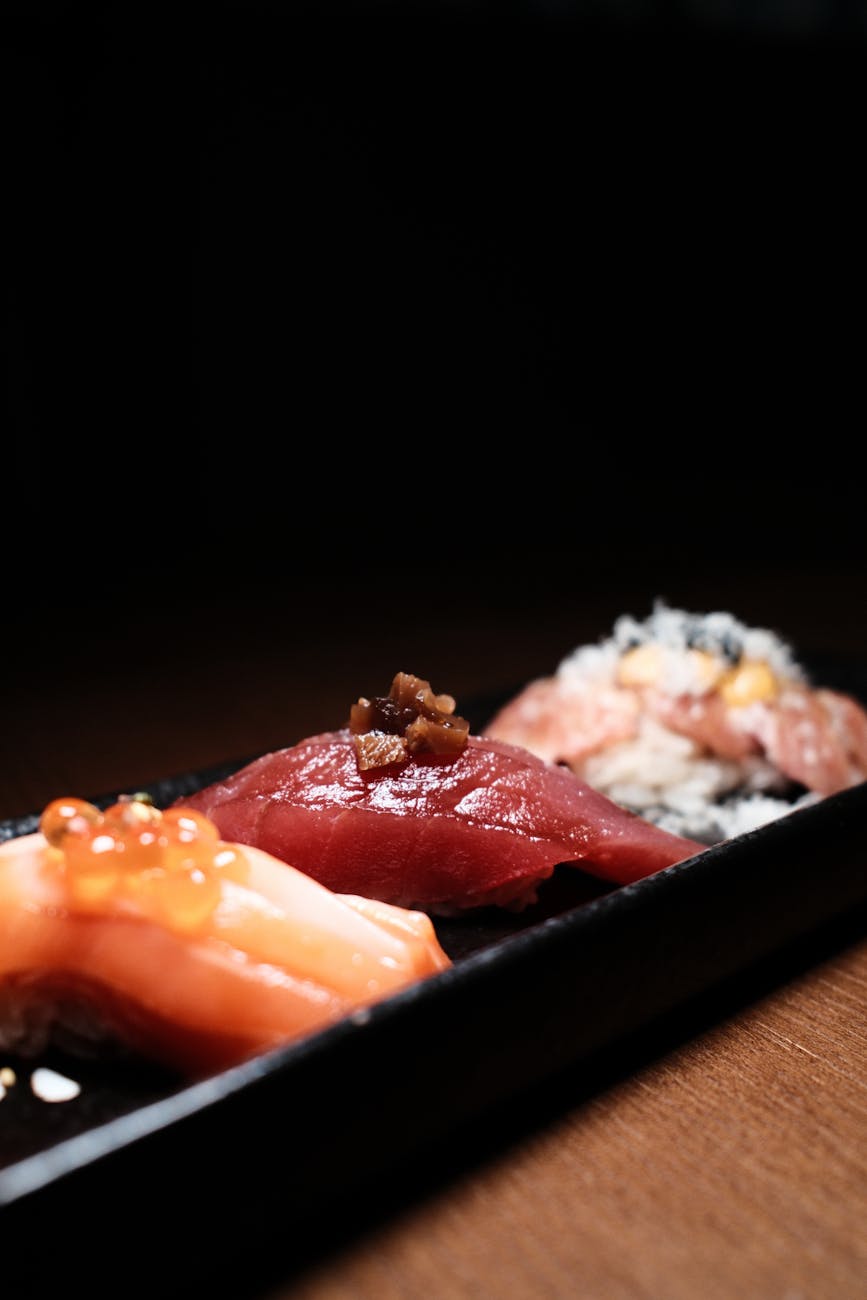
Field Note from the Operators at Evolette Locin — Luxury F&B Strategy & Restaurant SEO Singapore
Key Takeaways
- Miyu Omakase operates at permanent capacity without paid advertising, influencer partnerships, or last-minute discounting — through digital architecture alone.
- The three-layer framework: knowledge graph entity authority, topical content depth, and scarcity engineering applied at the digital positioning level.
- Scarcity engineering makes availability — not price — the bottleneck. The reservation system fills because demand architecture outpaces capacity.
- This framework is replicable for any Singapore premium or luxury F&B concept where the product can sustain a scarcity positioning.
The Restaurant That Does Not Need to Advertise
Miyu Omakase operates in Duxton Hill — one of Singapore’s most competitive premium dining locations — with a waiting list measured in weeks, a 4.7-star Google rating from over 237 reviews, and zero paid advertising spend. No Google Ads. No Meta retargeting. No last-minute availability on Chope. Seats fill because of one thing: deliberate, engineered omakase restaurant SEO Singapore and digital positioning that creates demand faster than capacity can be filled.
Evolette Locin manages Miyu’s digital operations. This is not a case study we observed from the outside — it is a system we built and operate ourselves, on an asset we are financially exposed to. This article explains exactly how luxury F&B SEO Singapore works in practice and what it means for any premium restaurant operator looking to move away from promotional dependency.
Why Omakase Restaurant Marketing Is Different from General F&B Marketing
Premium dining — and omakase specifically — operates on entirely different demand dynamics than casual F&B. The customer is not looking for a deal. They are researching an experience. They are comparing not on price but on reputation, specificity of cuisine, chef credentials, and — critically — availability. Scarcity is not a problem to be solved. It is the product.
This means standard F&B marketing tactics are actively harmful for premium brands. Flash sales on Chope erode perceived exclusivity. Influencer gifting creates an association with promotional culture. Instagram giveaways signal that the restaurant needs to attract attention — which contradicts the positioning of a venue that should project quiet, self-assured demand. The demand architecture restaurant Singapore approach inverts this entirely.
The Miyu SEO Architecture: Three Layers
Layer 1 — Search Intent Capture: Miyu’s search presence is built around the specific intent clusters that premium diners use when researching omakase in Singapore: “best omakase Singapore,” “omakase Duxton Hill,” “premium Japanese dining Singapore,” “omakase reservation Singapore.” Each query cluster has dedicated content, structured data, and knowledge graph connections that signal to Google the precise nature of the dining experience on offer.
Layer 2 — Knowledge Graph Entity Construction: Miyu is constructed as a defined entity in Google’s Knowledge Graph — a ProfessionalService with verified attributes, schema markup, sameAs relationships linking to review platforms and authoritative culinary sources, and structured data that makes the restaurant the definitive answer for its target queries. This technical infrastructure is what makes rankings durable rather than dependent on ongoing content production.
Layer 3 — Demand-Lag Design: The booking architecture is deliberately structured to maintain a lead time of 3–4 weeks. This is not an accident of popularity — it is an engineered outcome. Every week a diner waits is a week they tell multiple friends about the experience they are anticipating. Word-of-mouth becomes structurally embedded in the operational model.
Luxury F&B SEO Singapore: What the Numbers Show
Miyu maintains a 4.7/5 rating on Google (237+ reviews), 5.8/6 on Quandoo, 4.9/5 on Chope, and 4.5/5 on TripAdvisor — across multiple platforms simultaneously. This is not a coincidence of good cooking. It is the product of operational systems that generate consistent review behaviour: post-visit messaging cadence, frictionless review processes, and service execution that reliably exceeds the expectation set by the pre-visit digital experience. The digital and physical experience are a single, engineered system.
Applying This Framework to Your Premium Restaurant
The Miyu model is transferable to any premium F&B operation in Singapore where the operator is willing to commit to the principle: your restaurant SEO Singapore investment must be paired with operational excellence that makes the digital promise deliverable. SEO without substance creates a mismatch between search visibility and customer experience. The framework only works when both sides are engineered together.
If you operate a premium restaurant, omakase experience, or luxury F&B concept in Singapore and want to understand how the demand architecture framework applies to your specific positioning, the entry point is a portfolio audit. We review your current digital architecture, identify the search clusters you should own, and map the structural changes that would move you toward search-driven capacity without promotional dependency. Learn more about our Luxury F&B SEO Singapore approach →
Discover how our luxury F&B SEO Singapore and omakase restaurant marketing services can engineer permanent search-driven capacity for your dining concept. For premium hospitality operators seeking structural advisory support, explore our venture scaling advisory Singapore — built on live operator experience at Miyu itself. Follow our ongoing Operator Intelligence Insights for the latest field notes on demand architecture for premium brands.
The entity-level SEO architecture that powers Miyu’s permanent capacity — knowledge graph construction, structured data engineering, and topical authority building — is documented in detail in our field note on Knowledge Graph SEO Singapore: How Entity Authority Builds Rankings That Compound. For founders evaluating whether operator-led advisory can apply these frameworks to their own premium ventures, see our Venture Scaling Singapore field note on the five architecture decisions that determine whether a business compounds or plateaus.
Frequently Asked Questions: Omakase Restaurant SEO Singapore
How does Miyu Omakase stay at full capacity without paid advertising?
Miyu Omakase maintains permanent operating capacity through three interlocking digital systems: structured data architecture that precisely defines the restaurant’s entity for Google (cuisine type, price point, location, chef credentials); content velocity that covers high-intent luxury dining search queries in Singapore; and demand architecture that positions Miyu as a scarce, premium experience rather than a commodity dining option. The combination means that when high-spending diners search for omakase or luxury Japanese dining in Singapore, Miyu appears with full entity authority — without a single paid ad impression.
What SEO approach works for luxury restaurants in Singapore?
Luxury restaurant SEO in Singapore requires a fundamentally different approach from mass-market F&B SEO. The goal is not maximum traffic — it is the right traffic: high-spending diners who are pre-sold on the premium experience before they arrive. This requires entity authority (Google understanding precisely what category of dining experience you offer), demand architecture (positioning that signals exclusivity rather than availability), and structured data that surfaces in rich results for luxury dining queries. Discounting and promotions actively undermine this architecture.
How long does restaurant SEO take to work in Singapore?
For a Singapore restaurant deploying full knowledge graph SEO architecture, initial search movement is visible within 60 to 90 days. For luxury F&B specifically, the conversion impact comes earlier than the ranking impact — because the structured data and entity authority improvements change how Google presents your restaurant in search results (rich snippets, knowledge panels, featured placements) before organic rankings fully compound. At six months, the compounding effect on reservation volume becomes commercially significant.
 Evolette Locin
3 thoughts on “Omakase Restaurant SEO Singapore: How Miyu Operates at Capacity Without Advertising”